Food & Wine Pairing
Our detailed food and wine pairing guide helps you pick which wines compliment a wide variety of meat, poultry, fish and vegetarian dishes along with desserts and cheeses.
Matching of food and wine is a matter of personal taste. There are no actual, concrete rules to be followed, however we recommend that you think of wine as a sauce and match the strength of its flavours with the weight of the dish to create the perfectly balanced palate.
The Basics
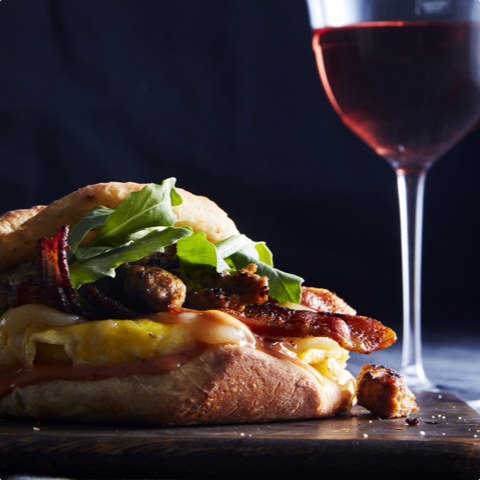
Consider the style of the dish. This is the simplest of all rules and that’s the reason we’ve listed it at the top. A delicious sandwich of roast beef leftovers doesn’t need a pricey Bordeaux blend to accompany it, a juicy, fruit-driven red under €10 is the right fit.
On the contrary an expensive piece of cut of the meat will require a more complex wine, maybe a Napa Cabernet Sauvignon that’s been resting in bottle for a few years.
Boldness with Boldness
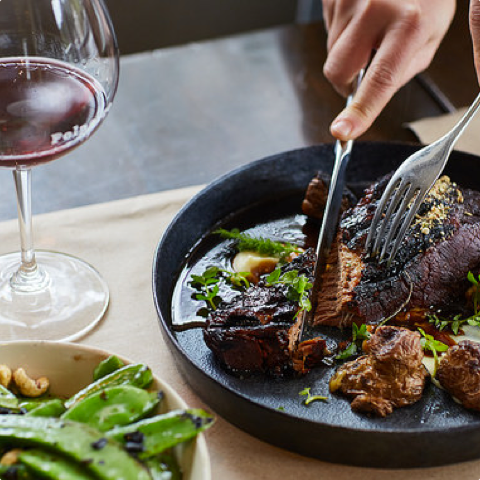
A delicate Pinot Noir from Burgundy can easily be overwhelmed when paired with rich, smoky dishes like Korean BBQ. Dishes that are bold, savory, and packed with umami flavors are better matched with wines that have enough body, spice, and intensity to stand up to them.
An Australian Shiraz from Barossa, with its full body, ripe fruit, and peppery spice, has the perfect structure to complement the grilled meats and bold marinades typical of Korean barbecue.
Congruent or Complimentary
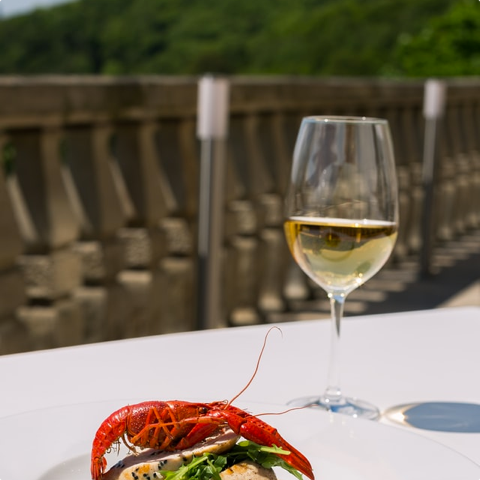
Certain dishes can be paired successfully with multiple types of wines. For example, oaky, buttery style Chardonnay and lobster in a butter or cream sauce make a perfect congruent pairing: both the wine and the dish share a rich, opulent character that complements each other beautifully.
However, complementary or contrasting pairings can also work wonderfully. Lobster can be paired with a young Champagne, whose crisp acidity and zesty character cut through the richness of the butter sauce, refreshing the palate and creating a delightful balance.
Flexibility
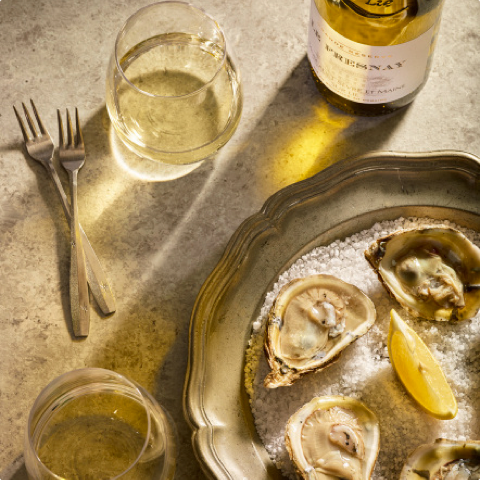
More often than not, when dining out with family and friends, people tend to order a variety of different dishes, which can make it seem nearly impossible to find the perfect wine to pair with everything. Surprisingly, Chardonnay is one of the less flexible wines for pairing across diverse foods, especially when it’s an oaky, full-bodied style.
On the other hand, wines with high acidity—such as Sauvignon Blanc, Albariño, Chianti, and Pinot Noir—can be excellent all-rounders. High-acid wines have a refreshing quality that stimulates the palate, leaving you wanting to take a bite of food, and after eating, you’ll want another sip of wine. This lively back-and-forth between food and wine keeps the experience balanced and enjoyable, no matter the variety of dishes.
High-Fat with High Powered Wines
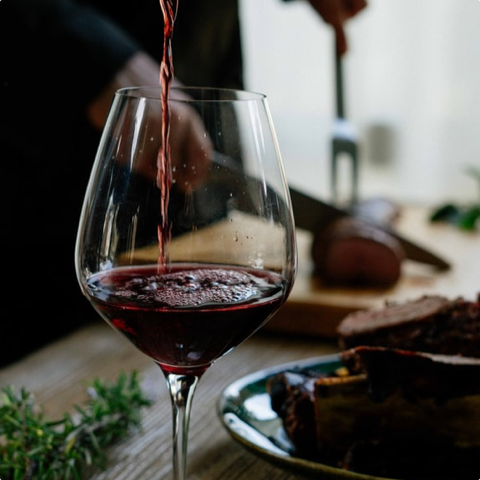
Animal fats, creams, and butter-rich dishes call for high-powered wines that can stand up to their richness.
Highly structured wines—which can sometimes feel intense or tiring to drink on their own—pair beautifully with grilled meats, rich stews, and ragùs. The wine’s tannins and bold flavors help cut through the fat and complement the depth of the dish.
Fruity Dishes With Fruity Wines
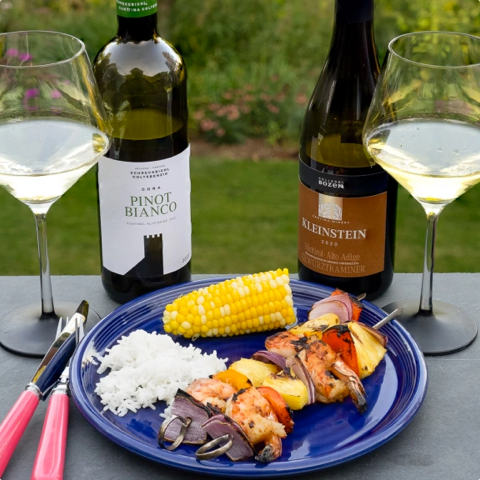
Some dishes contain a fruity element that calls for a wine with enough aromatic and fruity intensity to match. Without that, the wine can taste austere, dry, or simply boring. Wines made from Gewürztraminer, Viognier, off-dry Riesling, and Muscat are excellent choices to complement these flavors.
Ultimately, the most important thing is to have fun with your pairings. Experiment, be bold, and don’t hesitate to share your discoveries with us!